Sunrise Over Butter
TASTING NOTES:
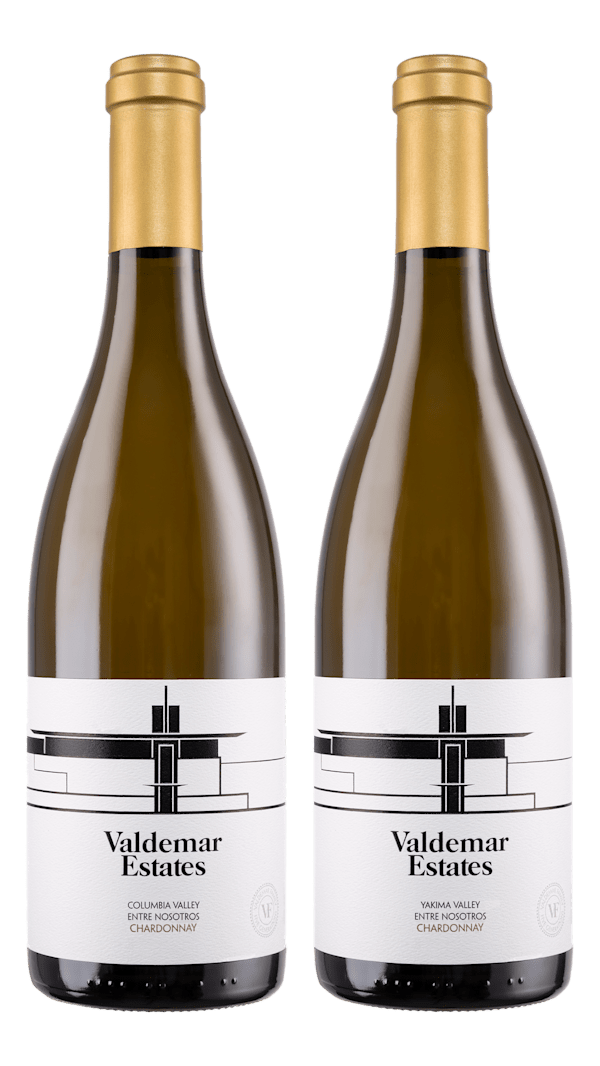
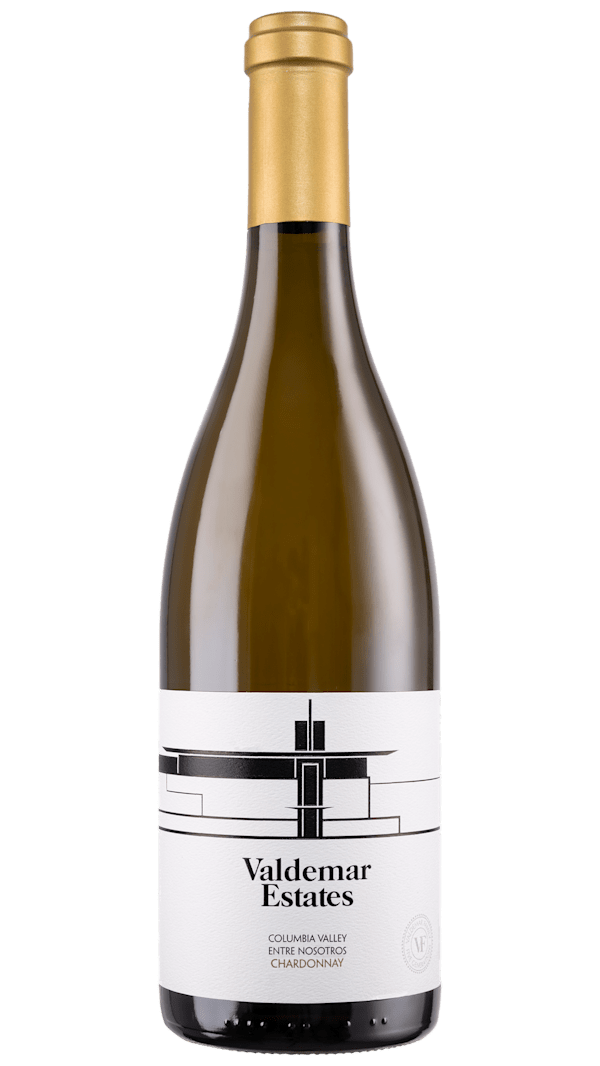
2022 Valdemar Estates Entre Nosotros Chardonnay, Columbia Valley
This bottle bursts with aromas of Anjou pear, apple blossoms, fresh pineapple, and kumquat. Brilliantly vivid, layered, and precise, with a crisp, lively mid-palate. (AbV 13.4%)
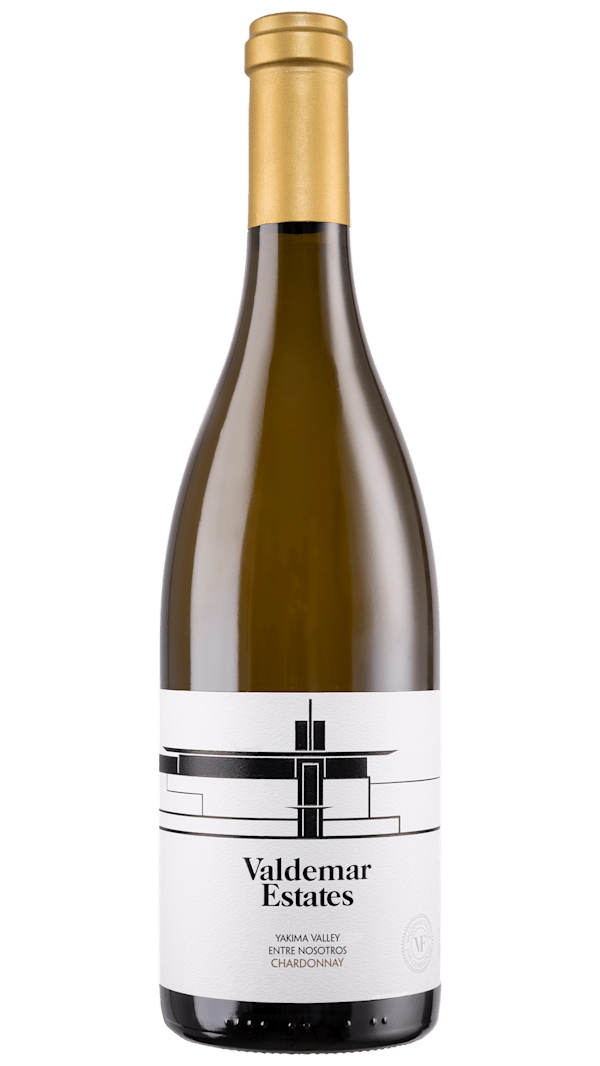
2023 Valdemar Estates Entre Nosotros Chardonnay, Yakima Valley
Captivating aromas of puff pastry, preserved lemon and brûléed pear galette. The palate is ample and full with a nimble minerality to finish. (AbV 13.4%)
VARIETALS: 100% Chardonnay
BARRELS: 15 months in 20% new and 80% used French oak barrels
PAIRS WITH: N/A
THAT REMINDS ME OF: Puff pastry.
The textbook method is a butter-management problem. You wrap a slab of cold butter in dough, roll it out, fold it in thirds, and repeat. Six of those folds get you the famous 729 layers. In the oven, the water in the butter flashes to steam and shoves every layer apart, which is how a flat sheet of dough ends up several times taller than it started. The whole trick is keeping the butter cold enough that it never melts into the dough before the heat gets there. Pastry chefs have been known to retreat to walk-in freezers mid-fold, which seems like a reasonable response to the stress of it.
The origin story I like best credits the 17th-century French landscape painter Claude Lorrain (born Claude Gellée). The legend says he trained as a pastry cook in his youth and invented the technique while trying to make a richer bread for his ailing father, folding butter into dough again and again. Food historians treat this as exactly what it sounds like, a legend. But the painter who became famous for glowing, layered, hazy light in his skies is also the guy credited with the flakiest dough in France, and I refuse to let the facts get in the way. I want to know what a Claude Lorrain croissant looks like, and I want it hung in a gallery with a little plaque reading Sunrise Over Butter.